Chosen theme: Yoga Poses to Improve Hip Flexibility. Welcome to a space where focused movement, kind breath, and smart sequencing help your hips feel open, powerful, and at ease. Join us, share your goals, and subscribe for weekly hip-friendly practices.

Your main hip flexors include the psoas, iliacus, and rectus femoris. Long hours of sitting keep them short, pulling the pelvis forward and straining the lower back. Gentle, consistent yoga poses to improve hip flexibility restore balance. Tell us where you feel tightness most.

Beginner-Friendly Poses to Open Tight Hip Flexors

From a lunge, drop your back knee. Hug your front hip back, draw your low belly in, and gently tuck the tailbone. This posterior tilt targets the front hip of the back leg. Keep chest soft and breath steady. Comment if you feel the stretch above the thigh.

Beginner-Friendly Poses to Open Tight Hip Flexors

Bring both hands to blocks inside your front foot, sliding the back knee farther behind you. Lengthen through the back leg’s hip flexors while keeping shoulders broad. Micro-bend your elbows and keep the neck long. Share your favorite prop height for this pose.

Beginner-Friendly Poses to Open Tight Hip Flexors

Press feet down, lift hips, and imagine dragging heels toward shoulders to activate hamstrings and glutes. This active engagement lengthens tight hip flexors safely. Keep ribs contained and gaze neutral. Subscribe for a guided audio version of this supportive backbend.

Beginner-Friendly Poses to Open Tight Hip Flexors

Lorem ipsum dolor sit amet, consectetur adipiscing elit. Ut elit tellus, luctus nec ullamcorper mattis, pulvinar dapibus leo.
Intermediate Progressions for Deeper Release

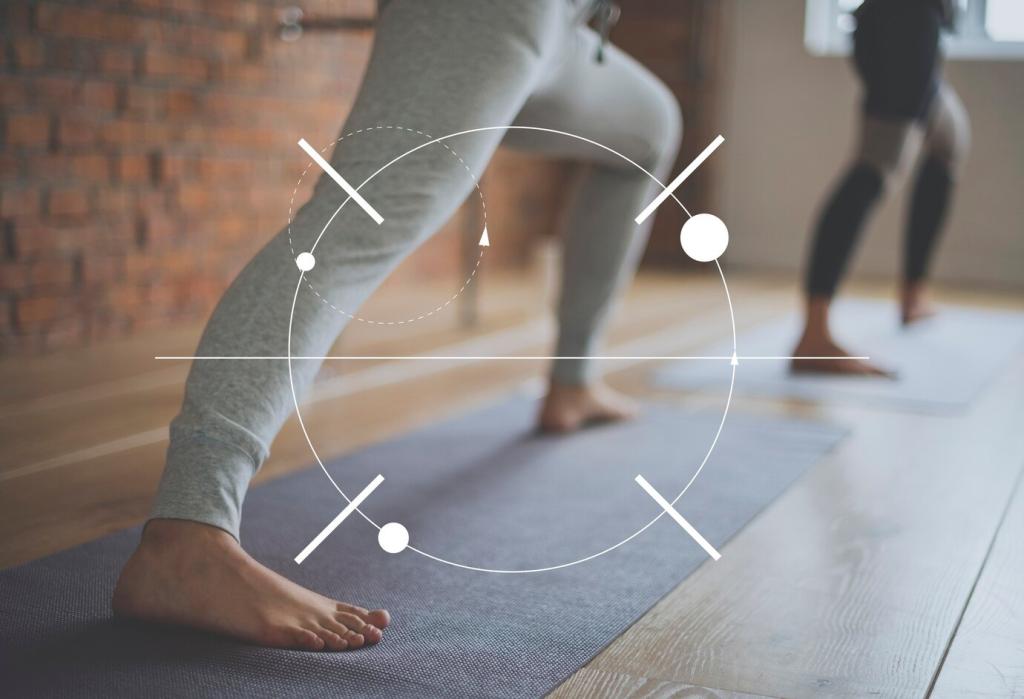
From High Lunge, keep your back heel lifted and hips squared. Lift through your chest only after setting a strong posterior tilt. Reach arms up, then slightly back, staying long through the waist. Breathe deeply. Tell us how many breaths feel sustainable for you.

A 15-Minute Flow for Daily Hip Freedom

Begin with gentle spinal waves to mobilize the back, then step into a low lunge and pulse slowly, maintaining a subtle posterior tilt. Let breath lead each movement. Two minutes per side is plenty. Save this warm-up and tell us your favorite pulse rhythm.

A 15-Minute Flow for Daily Hip Freedom

Move from supported Lizard into Crescent Lunge, then gently wave between Warrior I and Crescent to explore depth with control. Keep front ribs integrated. Three to four breath cycles per wave build heat and mobility. Subscribe for a printable version of this flow.

Breath, Nervous System, and the Psoas

Diaphragm–Psoas Connection

The diaphragm and psoas communicate through fascial relationships and nervous system tone. Slow, expansive inhales and long, patient exhales can soften guarding. Practice belly-to-rib breathing in a low lunge. Tell us if you notice deeper hip flexor release with breath focus.

Box Breathing for Steady Depth

Inhale for four, hold for four, exhale for four, hold for four. Repeat while maintaining alignment in your poses. This pattern promotes parasympathetic balance, allowing safe exploration of hip flexibility. Save this technique and subscribe for guided breath timers.

Mindful Exits Prevent Re-Tension

How you leave a pose matters. Exit slowly, keep breath smooth, and integrate small hip circles or gentle walking to retain openness. Avoid snapping back into sitting. Share your favorite cooldown rituals to keep hip flexors relaxed after practice.

Props and Modifications for Every Body

Place one foot on a chair seat behind you, hinge from hips, and gently bend the standing knee. Keep a tall spine and engage the lower belly. This office-friendly tweak stretches hip flexors between meetings. Comment if you want our two-minute desk series.
Record pose variations, breath counts, and sensations each day. Note what time you practice and how your hips feel during walking or standing. Patterns reveal what works. Share your journal wins and tag a friend to join the two-week challenge with you.

Stay Consistent: Track, Engage, Celebrate

Film brief side-view clips of your lunges weekly. Look for pelvis level, posterior tilt, and rib control. Progress shows up in cleaner lines, not only deeper shapes. Post your observations and ask for cue refinements—we love helping dial in details.

Stay Consistent: Track, Engage, Celebrate

Morinexavaloronex
Privacy Overview

This website uses cookies so that we can provide you with the best user experience possible. Cookie information is stored in your browser and performs functions such as recognising you when you return to our website and helping our team to understand which sections of the website you find most interesting and useful.