
Chosen theme: Unlocking Flexibility Through Yoga. Step onto the mat with curiosity and leave with a longer, lighter stride. Here, we blend science, story, and soulful practice to help you stretch smarter, breathe deeper, and steadily expand your range. Subscribe, comment, and grow with a community that celebrates every centimeter of progress.

The Science and Art of Becoming More Flexible

Active vs. Passive Flexibility in Yoga

Active flexibility is strength at your end range; passive flexibility is the range you can reach with assistance. Yoga blends both, teaching control and ease so improvements feel stable, usable, and resilient.

Breath, the Nervous System, and Stretch Tolerance

Slow nasal breathing signals safety to your nervous system, easing protective tension. When your brain trusts the position, muscles lengthen more willingly. Exhale longer than you inhale to deepen without forcing.

Myths That Hold Your Hips Back

You’re not ‘inflexible for life’—you’re unpracticed. Genetics matter, but daily inputs matter more. Stretching doesn’t ‘lengthen’ bones or ligaments; it improves muscle compliance, coordination, and your brain’s willingness to allow new ranges.

Foundational Sequences to Open Safely

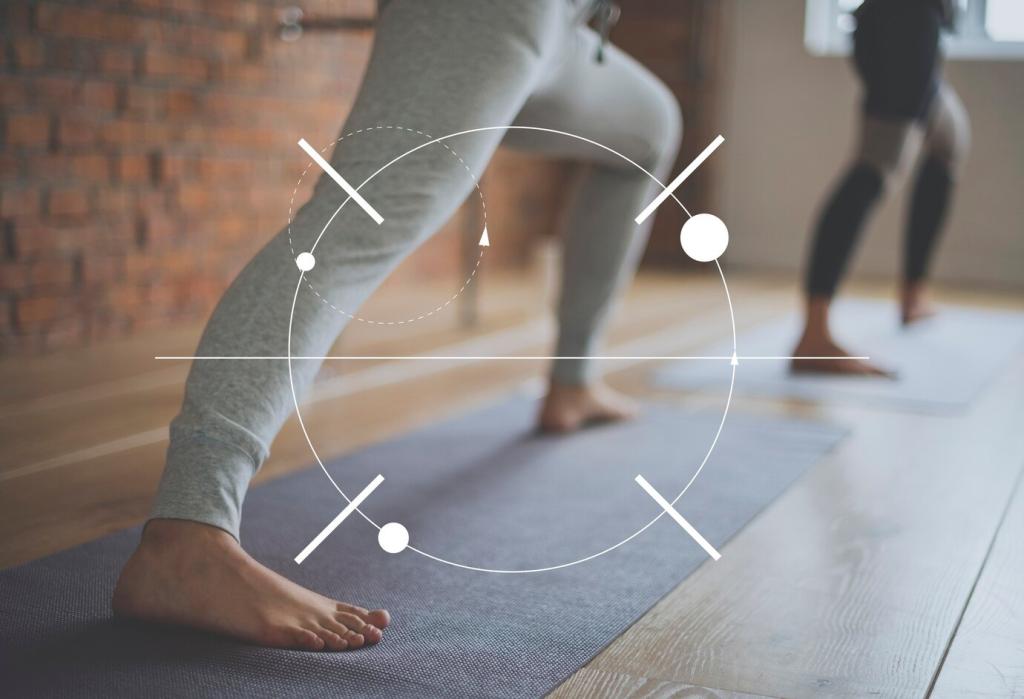
Link breath to movement through slow Sun Salutations. Warmth hydrates fascia, muscles glide more freely, and joints feel nourished. Add micro-pauses in lunges to invite depth gradually, then comment with your favorite variation.
Use blocks under hands in Lizard to keep the spine long. In Pigeon, support the front hip with a bolster. Prop support removes strain, letting hips release without your knees doing the negotiating.
Cat-Cow articulates each vertebra; Sphinx gently invites extension; Bridge strengthens while opening the front body. Move smoothly and breathe steadily. Share how your back feels after three mindful rounds of each.

Progressions That Actually Work

Lower your blocks by one notch each week in forward folds. Use a strap to maintain spinal length rather than yanking. A wall supports balance for deeper lunges, freeing attention for breath and alignment.

Ujjayi and Elongated Exhales

Whisper-breath Ujjayi adds gentle resistance, lengthening each exhale. This steadies attention and nudges the parasympathetic system. Try five breaths before deeper holds; then tell us whether your stretch felt calmer and more accessible.

Body Scans to Reduce Bracing

As you settle into a pose, scan from jaw to toes. Notice clenched brows or shoulders and soften them. This awareness often unlocks surprising centimeters of space without any additional physical effort.

Reframing Plateaus as Data

When progress stalls, treat it like feedback, not failure. Adjust hold time, add active strength work, or change sequence order. Comment with your current sticking point, and we’ll suggest a compassionate tweak.

Anatomy Spotlight for Yogic Flexibility

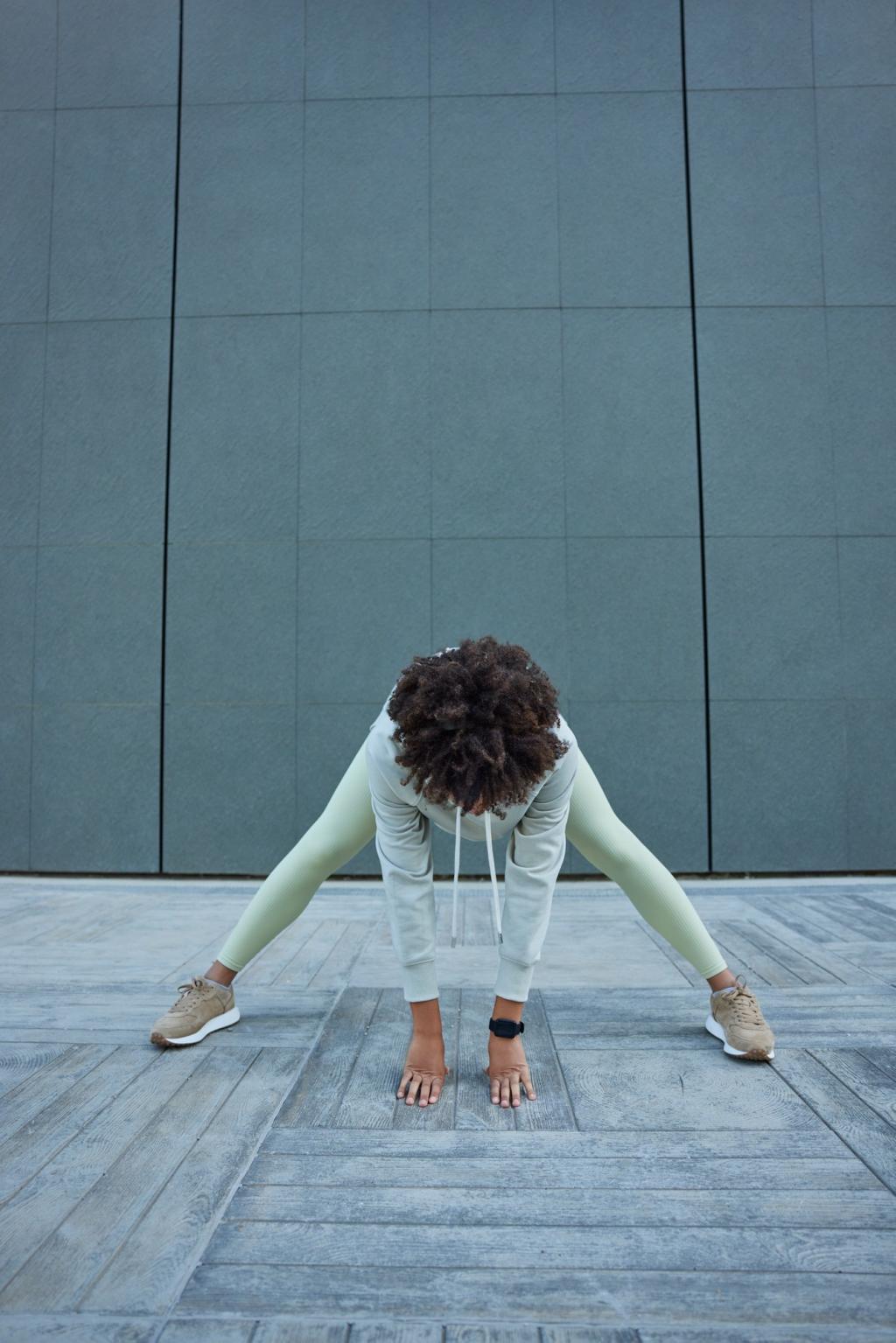
Tight hamstrings often mask sleepy glutes or tense calves. Bend the knees slightly in folds to shift load off the back. Strengthen bridges and hamstring curls to earn flexible ranges that feel supported.

Anatomy Spotlight for Yogic Flexibility

Deep hip openness comes from rotation as much as extension. Use figure-four shapes and gentle external rotation drills. Protect knees by aligning the shin and keeping effort in the hip rather than twisting joints.
Recovery, Rest, and Rituals

Yin-Inspired Stillness

Hold gentle poses for two to five minutes with full support. The goal isn’t deeper, it’s quieter. Soft props invite your nervous system to un-grip. Notice how stillness amplifies the effect of later flows.

Sleep, Hydration, and Gentle Movement Snacks

Quality sleep rebuilds tissues and refines motor patterns. Hydration keeps fascia supple. Add two-minute stretch snacks during breaks—neck rolls, calf wall stretches, shoulder circles—to maintain gains between longer practices.

Soreness vs. Sharp Signals

Mild soreness can accompany adaptation; sharp, localized pain means stop and modify. Respect edges and adjust props. Comment with any tricky sensations, and we’ll help you translate them into safer choices.

Stories, Challenges, and Community

Emma started unable to touch her shins. With three short practices weekly, micro-bends in knees, and steady breathing, her hands now rest on the floor comfortably. Her secret: patience, not pushing.

Stories, Challenges, and Community

Receive daily mini-flows and breath prompts directly to your inbox. Each session takes ten minutes and stacks beautifully. Subscribe now and invite a friend—accountability makes mats feel magnetic, especially on busy days.
Morinexavaloronex
Privacy Overview

This website uses cookies so that we can provide you with the best user experience possible. Cookie information is stored in your browser and performs functions such as recognising you when you return to our website and helping our team to understand which sections of the website you find most interesting and useful.